Kabyah: A Script Font with Eastern Elegance for Editorial Design
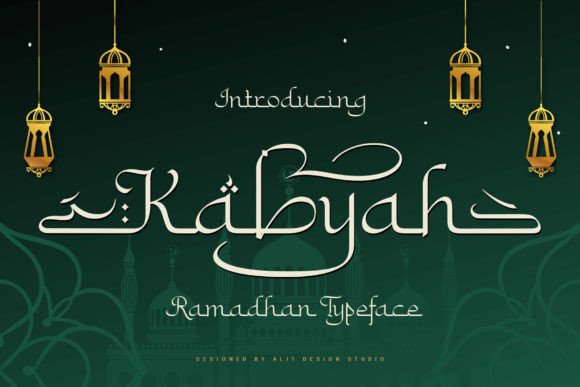
Kabyah is a Script Handwritten font that blends the artistry of traditional calligraphy with modern typography, offering a unique visual language that can elevate any editorial design. As someone who has spent years working on content layouts, I’ve found that the right font can transform a simple text block into an engaging visual experience. Kabyah, with its intricate detailing and graceful curves, brings a touch of Eastern elegance to any design project, making it a versatile tool for bloggers, publishers, and creative professionals.
Kabyah for Wedding Invitations and Elegant Branding
When designing a wedding invitation or a brand identity for a cultural event, the choice of font plays a crucial role in setting the tone. Kabyah’s elegant script style makes it an ideal candidate for these scenarios. Its flowing lines and delicate embellishments evoke a sense of refinement and tradition, which aligns perfectly with the aesthetics of weddings and cultural celebrations. I recently used Kabyah in a wedding guide layout, pairing it with a clean sans serif font for body text to ensure readability while maintaining a sophisticated look.
The font’s Script Handwritten nature adds a personal touch, which is especially effective in branding materials. Whether it's for a logo design, a social media graphic, or a printable planner, Kabyah offers a level of sophistication that resonates with audiences seeking authenticity and cultural depth. It’s not just a font—it’s a statement of style and intent.
Kabyah in Lifestyle Blogs and Content Headers
Lifestyle blogs often require fonts that reflect both creativity and approachability. Kabyah fits this need beautifully. When redesigning a blog header, I tested several Script Handwritten fonts, and Kabyah stood out for its balance between expressiveness and legibility. Its use in headlines and article titles creates a visual hierarchy that draws readers in without overwhelming them.
I’ve used Kabyah in a lifestyle blog redesign where it was paired with a modern sans serif font for body copy. The contrast between the two fonts helped emphasize key sections, such as chapter openers and pull quotes, while keeping the overall design cohesive. For screen reading and mobile layouts, it’s important to ensure that the font remains readable at smaller sizes, which Kabyah achieves through its balanced stroke weight and spacing.
Kabyah for Recipe Ebooks and Creative Publishing
Recipe ebooks and creative publishing projects benefit greatly from the use of expressive fonts like Kabyah. In one project, I created a digital magazine layout featuring a variety of recipes, and Kabyah was used for the cover text and section headings. Its artistic flair complemented the content’s visual appeal, adding a layer of personality that enhanced the reader’s experience.
However, it’s essential to consider the limitations of Kabyah. While it excels in headlines and decorative elements, it may not be suitable for dense paragraphs or formal reports due to its expressive nature. For such cases, pairing Kabyah with a more readable serif or sans serif font can help maintain clarity without sacrificing the aesthetic value of the design.
Kabyah in Newsletter Headers and Editorial Layouts
Newsletters often require fonts that are both eye-catching and functional. Kabyah’s Script Handwritten style makes it a great choice for headers and pull quotes, where it can add a touch of elegance and character. I recently incorporated Kabyah into a newsletter header, using it alongside a clean, modern sans serif font for the body text. This combination ensured that the design remained visually appealing while maintaining readability across different platforms.
For PDF exports and print materials, it’s important to check the included styles, ligatures, and weights to ensure consistency. Kabyah offers a range of alternates and weights, allowing designers to tailor the font to specific needs. Additionally, verifying multilingual support and commercial licensing is crucial when using the font in paid newsletters or client publications.
Kabyah for Printables and Creative Fonts
Printable planners, worksheets, and creative fonts are increasingly popular among independent content creators. Kabyah’s Script Handwritten design makes it an excellent fit for these types of projects. Whether it’s for a coaching workbook or a course PDF, the font adds a professional yet artistic touch that enhances the overall design.
When using Kabyah in printables, it’s important to test its performance on different paper types and resolutions. The font’s intricate detailing may appear less refined in lower-quality prints, so ensuring high-resolution outputs is key. Additionally, pairing Kabyah with a complementary font for body text helps maintain a balance between style and functionality.